

J.Crew’s Camp Crew Shows Why Nostalgia Remains Retail’s Most Powerful Marketing Tool

This summer, J.Crew launched Camp Crew, a campaign that transforms classic American summer camp culture into a fully realized brand world. Set against a lakeside backdrop filled with canoes, camp flags, archery, vintage camp uniforms, and outdoor adventures, the campaign features a reunion of well-known supermodels including Jasmine Tookes, Josephine Skriver, Martha Hunt, Sara Sampaio, and Taylor Hill. Rather than simply showcasing apparel, J.Crew is selling a feeling: the nostalgia of an idealized American summer.
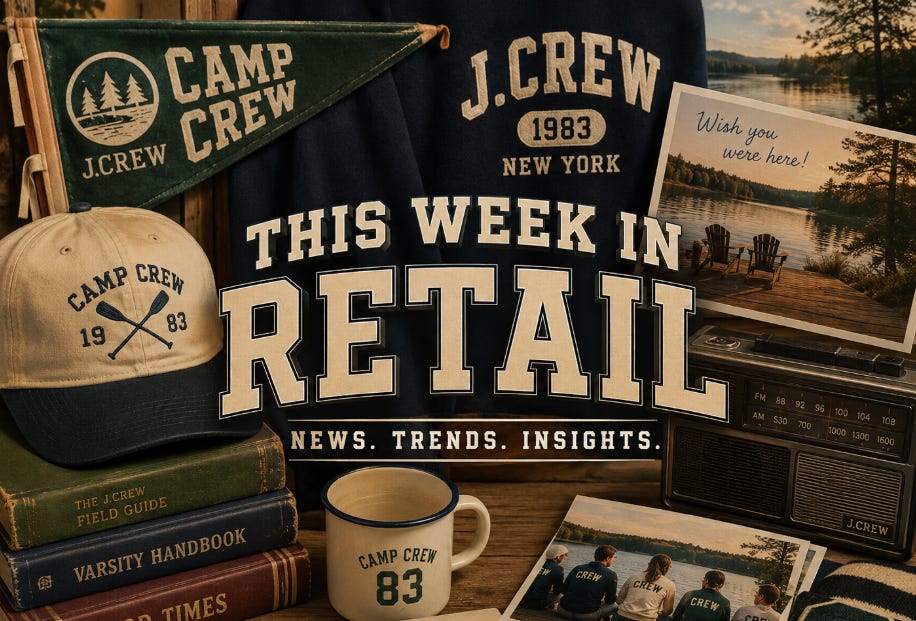
What makes Camp Crew particularly interesting is how it reflects a broader trend across retail. Consumers increasingly respond to brands that create emotional connections rather than transactional relationships. J.Crew’s creative team drew inspiration from the company’s iconic late 1980s and 1990s catalogs, along with classic camp memorabilia such as pennants, patches, handbooks, and athletic uniforms. The result is a campaign that feels familiar to older shoppers while remaining fresh for younger consumers.
Importantly, Camp Crew is not simply a retro throwback. J.Crew executives have described the effort as an exercise in “building worlds” rather than just presenting products. The company is extending the campaign beyond advertising through activations and destination experiences that bring the Camp Crew concept into the real world. This approach reflects a growing retail strategy: turning brands into experiences that customers can participate in, not just purchase from.
The campaign also demonstrates why nostalgia remains such an effective retail tool. Summer camp is one of America’s most enduring cultural touchstones, evoking memories of friendship, adventure, independence, and simpler times. By tapping into those emotions, J.Crew is creating relevance in an increasingly digital marketplace where authentic emotional connections are often hard to find.
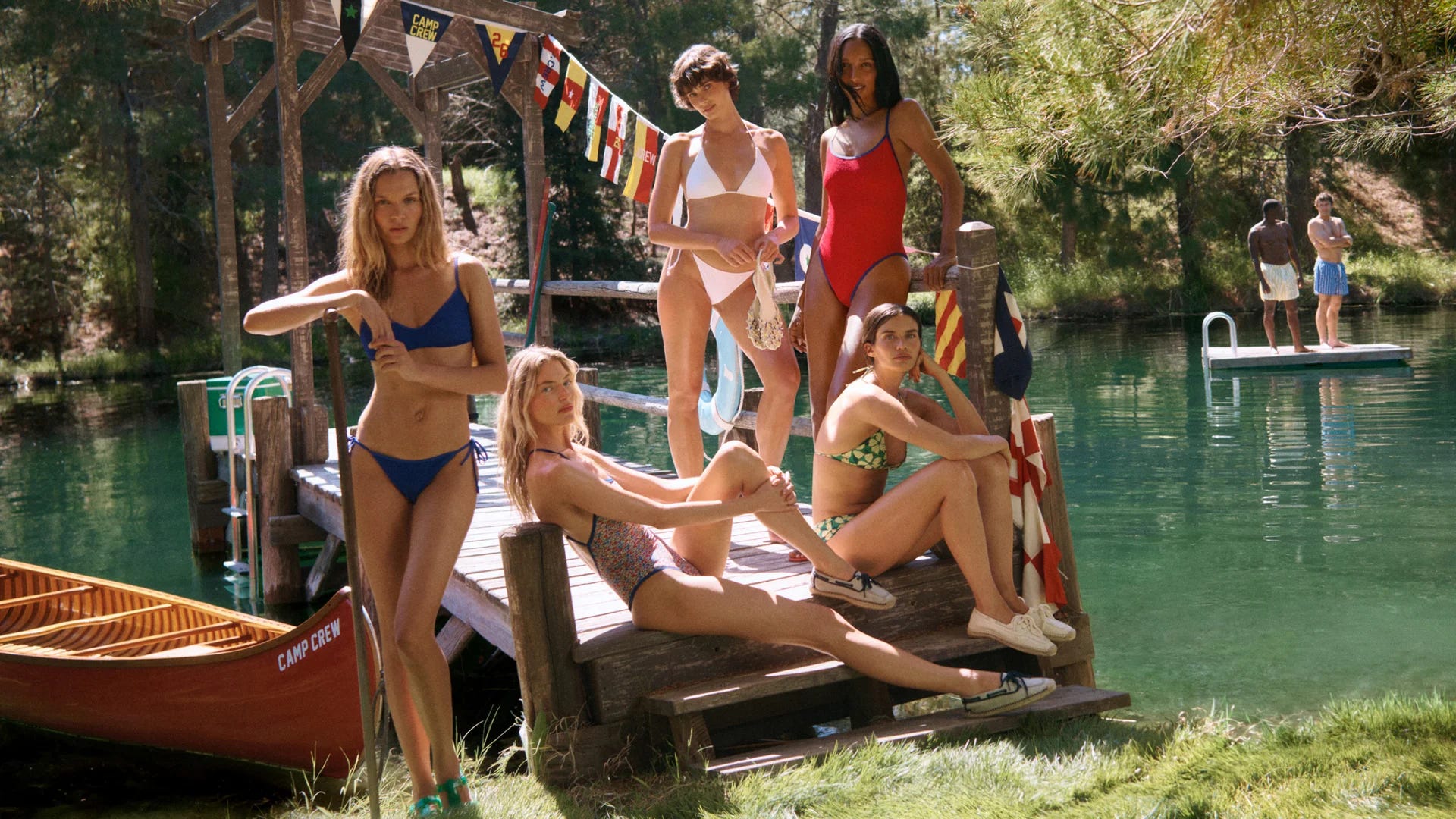
J.Crew is far from alone. Nostalgia has become one of the defining themes of Summer 2026 marketing, but the most successful brands are using it as a platform for new experiences rather than simply recreating the past.
Old Navy: Y2K Returns
Old Navy tapped early 2000s nostalgia by bringing in Paris Hilton for its summer campaign. The creative celebrates the 20th anniversary of her hit song “Stars Are Blind” and leans heavily into Y2K fashion, pool parties, and classic Old Navy Americana.
Good American & Macy’s: Americana Revival
Good American and Macy’s launched a summer collection built around gingham, stripes, seersucker, and classic Fourth of July imagery. The campaign taps into a romanticized vision of American summers just as the U.S. approaches its 250th anniversary celebrations.
Burberry: The British Lido
Burberry built its High Summer campaign around Britain’s historic outdoor swimming pools, known as lidos. The imagery evokes childhood summers, neighborhood gathering spots, and a distinctly British nostalgia that resonates with both domestic and international audiences.
Roxy: Bringing Back the 2000s
Roxy relaunched its fragrance and body-care business, reviving a brand that was synonymous with surf culture and teen fashion in the 1990s and early 2000s. The move capitalizes on renewed interest in Y2K brands and the broader resurgence of mall-era fashion.
For retailers, the lesson is clear. As products become easier to compare and purchase online, emotional storytelling becomes a key differentiator. J.Crew's Camp Crew campaign shows that nostalgia works best when it isn't just about looking backward. Instead, it uses familiar memories and cultural references to create new experiences that feel relevant today. In doing so, J.Crew isn't merely selling sweaters, swimwear, and graphic tees. It's selling a version of summer that many consumers remember, or wish they had experienced.